Choosing the right medical aesthetics school shapes not only the skills you leave with, but how your first clients remember you, how quickly you find work, and whether you enjoy the Beauty school day-to-day craft. I trained in a busy clinic before moving into teaching and hiring; over a decade I have watched hundreds of students move between classrooms, clinics, and small business ownership. The good programs share practical traits that you can verify before you ever step into a classroom. The poor ones hide behind glossy brochures and vague promises. This article walks through the practical markers that matter, what trade-offs to expect, and how to prioritize when you compare programs such as a beauty school, advanced aesthetics college, or a specific medical aesthetics school.
Why this choice matters A strong training program gives you real hands-on hours, clear competency standards, and an honest pathway to professional registration or employment. Weak training leaves gaps you will have to fill on the job, often under pressure and with real clients. For a career that mixes technical precision, client communication, and business sense, the difference between thorough training and a certificate that looks pretty on paper can be years of lost earnings and avoidable mistakes.
Programs and credentials to recognize Credentials mean different things depending on province or state. Look past marketing terms like beauty college or beauty institute and ask for specifics. A para-medical skin care diploma or medical esthetics school credential should state the number of clinical hours, the specific procedures taught, and any regulatory body recognition. Some schools focus on spa-level aesthetics, which is fine if you want that path; others are para-medical or medical aesthetician programs designed to prepare you to work alongside physicians, in dermatology clinics, or in medical spas.
Clinical hours and supervised practice The most important single factor is how much supervised hands-on practice you get, and under what circumstances. A weekend workshop cannot replace hundreds of hours with live models under instructor observation. Ask for the exact number of supervised procedures each student performs before graduating. Numbers to look for vary by region; a useful rule of thumb is that programs preparing you for medical aesthetics procedures will offer at least 200 supervised clinical hours in addition to theory. If the school advertises "hands-on" but cannot produce a breakdown of procedures per student, treat that as a red flag.
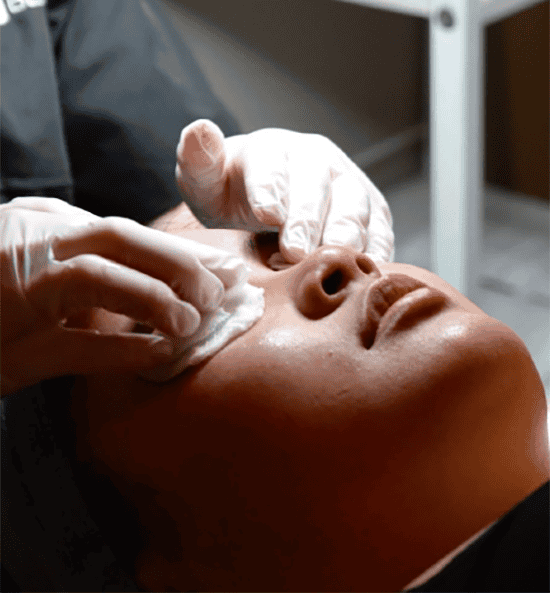
Quality of instructors Clinical experience matters more than academic titles. Instructors who currently work in clinics or have recent, verifiable clinical practice bring current protocols and troubleshooting skills. When you talk to a school, ask to see instructor bios and verify a few details: where they practiced, what procedures they perform regularly, and whether they maintain any certifications from recognized bodies. I once visited a program where every instructor had managed a salon, but only one had experience with injectable pre- and post-care. That shaped the curriculum in predictable ways; students left proficient in facial massage and waxing, but underprepared for client triage after a chemical peel.
Curriculum detail and transparency A solid curriculum will list competencies, not just modules. "Skin analysis and client consultation" is a useful module title, but it should be broken into competency statements such as: identify Fitzpatrick skin types, recognize signs of active infection, document a baseline skin assessment, and create a tailored homecare plan. Good programs show how each competency is assessed and how many supervised times a student must perform a procedure to be deemed competent.
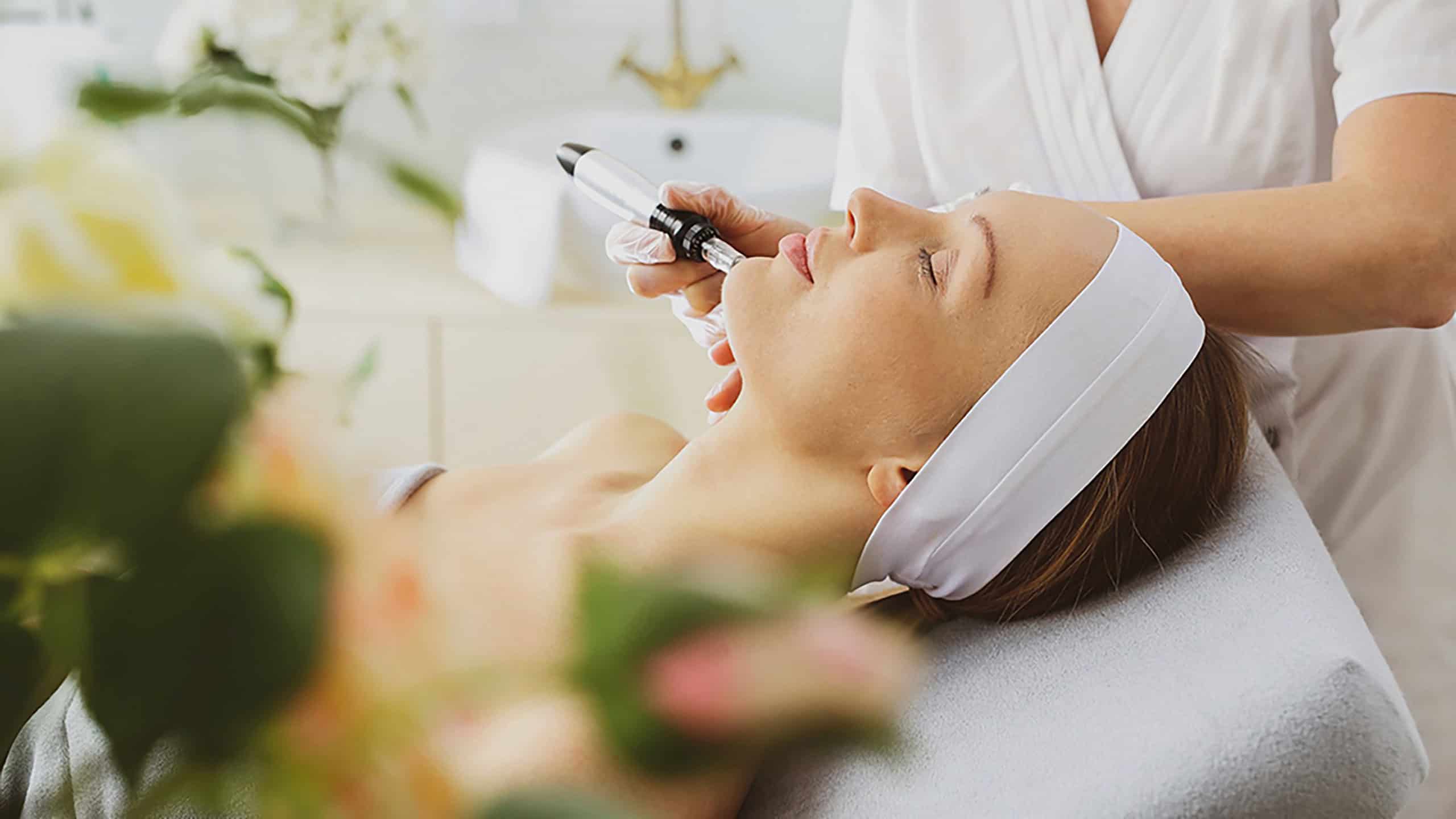
Equipment, supplies, and technology Medical aesthetics is equipment intensive. Check that training occurs on the same type of devices you will encounter in clinics: microdermabrasion machines, IPL or intense pulsed light devices, microneedling pens, and laser systems, when applicable. If the school uses dated machines or only teaches theory for certain treatments, you will need extra training later. In my hiring experience, graduates who trained on current equipment adapt faster and generate revenue more quickly. Also ask whether supplies for practical classes are included, or if you will need to buy your own kit and how much that will cost.
Clinical partnerships and externships Programs that partner with dermatology clinics, medical spas, or physicians offer stronger transition pathways. These partnerships may include supervised externships where you work with real patients and a clinical preceptor. A school that advertises "placement assistance" but has no formal partnerships is less likely to help you secure meaningful clinical experience. Ask for examples: where recent graduates were placed, the length of placements, and whether placements are paid or unpaid.
Regulatory alignment and insurance Different treatments require different regulatory clearances. Check local and provincial rules for who can perform microdermabrasion, chemical peels of varying strengths, or laser hair removal. Good schools make this alignment clear and prepare you for the legal scope of practice in your area. Additionally, ask about insurance: does the program teach professional liability best practices, and does it help students obtain student liability insurance for clinical practice?
Post-graduation support and career services A well-run school offers more than a certificate. Career services that review portfolios, help with resumes, and arrange employer interviews are practical benefits. Some schools host hiring fairs or maintain job boards. Others offer graduate-only refresher workshops for a reduced fee. When I ran hiring events, I noticed clinics prefer graduates who can present treatment case studies and before-and-after documentation. Schools that teach how to build a professional portfolio give graduates an immediate advantage.
Business and client communication skills Technical competence alone will not build a practice. The best programs include modules on client communication, consent and refusal conversations, pricing strategy, retail sales, and basic business setup. Real examples: how to handle dissatisfied clients, scripts for difficult consultations, how to upsell homecare without being pushy, and how to set cancellation policies. I once mentored a student who doubled revenue in her first year simply by applying a scripted consultation that increased treatment acceptance.
Assessments and grading Find out how the school measures competence. Are there objective practical exams? Do instructors use skill checklists? Programs that rely solely on attendance and a single final exam are less reliable. Competency-based assessments, logbooks, and multiple instructor sign-offs provide a clearer picture of what you can do independently after graduation.
Facilities and hygiene standards Clinic hygiene is non-negotiable. Tour the training facilities if possible. Look at treatment rooms, sterilization equipment, and storage practices. Ask how the school manages sharps disposal, infection control, and cross-contamination prevention during practicals. Poor hygiene standards in training often translate into unsafe habits in practice.
Affordability and value Tuition varies widely. Some students choose the cheapest option and quickly regret it when they need extra certifications or private mentorship. Consider total costs: tuition, student kit, exam fees, and potential travel for externships. Factor in time to competency; a longer program with more supervised hours may actually be the faster, cheaper path to steady income than a shorter certificate that requires private post-grad training.
How to evaluate a school's claims in three practical steps 1) Request detailed syllabi and instructor qualifications, and follow up with a phone call to a named instructor. Ask specific questions about procedures and number of supervised repetitions per student.

A small checklist to bring on campus visits
- Ask for the number of supervised clinical hours and a procedure breakdown. Verify instructor current clinical practice and ask to speak with one. Tour the clinical floor, inspect equipment, and note sterilization practices. Clarify what is included in tuition and total out-of-pocket costs. Request alumni contact information or success metrics for graduates.
Specialized tracks and additional certifications If you want to focus on a specific trade, like waxing technician work, nail technician program, or advanced injectables, seek specialized modules and external certification pathways. For waxing training, check whether the course offers waxing certification and safe strip vs hard wax techniques, plus treatment sequences for different body areas. For injectables, many legitimate programs require a healthcare background or collaboration with a prescribing physician; be wary of schools that offer injector training to laypeople without medical oversight. If your interest lies in broader spa therapy, look at spa beauty therapy courses or a skincare academy that balances massage, retail, and skin health.
Local considerations spa beauty therapy courses and search tips When searching for programs, terms like medical aesthetics near me, medical aesthetics Brampton, or skincare academy near me will turn up local options. Don't select based on proximity alone. Compare local options for clinical hours, partnerships with medical providers, and the sophistication of equipment. Regional clinics may prefer local graduates because they trained on the same equipment and protocols, so local training can be an advantage.
Examples of realistic timelines A solid full-time para-medical skin care diploma often runs three to twelve months depending on intensity, with 200 to 600 total hours combining theory and practice. A part-time evening program might stretch to one year or more. Short workshops and weekend courses are useful for skill refreshers, but not a substitute for a diploma if you plan a clinic-based career. Expect to spend between several hundred and a few thousand dollars extra post-graduation on certifications and professional kit for certain specialties.
Red flags and what to avoid Beware of schools that cannot provide clear instructor credentials, that promise immediate clinic placement without specifics, or that use high-pressure enrollment tactics. If the school advertises that graduates will "guarantee" clients or clinic ownership, approach cautiously. Guarantees of income or client lists are unrealistic. Another warning sign is a heavy focus on social media glamour with little evidence of clinical rigor; ask instead for detailed case studies and documented outcomes.
Why brand names matter less than outcomes Names like Body Pro Beauty & Aesthetics Academy Inc or other recognized institutes can be valuable when they demonstrate consistent graduate outcomes and industry connections. However, smaller independent schools sometimes offer superior clinical opportunities because of close ties to specific clinics or personalized mentorship. Evaluate outcomes rather than reputation alone: where are graduates working, how quickly are they employed, and what do employers say about their readiness?
Preparing to succeed during training Show up prepared to practice deliberately. Keep a logbook of every procedure, including client baseline photos, consent, steps taken, and aftercare. Build a portfolio as you go. Seek extra practice hours in student clinics and volunteer for community clinics to expand experience. Developing a small at-home kit for practice on models helps with technique, but never practice clinical procedures outside supervised settings unless the school explicitly permits and insures it.
Final note on choosing the right fit Training needs to match your career goals. If you seek medical aesthetics work in clinics and medical spas, prioritize programs with strong clinical hours, medical partnerships, and instructors with active clinical practice. If your goal is spa-based work, a beauty college or beauty school with a strong retail and client experience focus may be the better fit. Wherever you train, insist on transparency, documented competencies, and a clear path from classroom to clinic.
If you want, I can help compare two or three specific programs you are considering. Send the program names or links and I will point out strengths, likely gaps, and questions to ask during a campus visit.
Body Pro Beauty & Aesthetics Academy Inc — NAP
Name: Body Pro Beauty & Aesthetics Academy IncAddress: 8460 Torbram Road, Brampton, ON L6T 4M9, Canada
Phone: 905-790-0037 (Ext 1)
Website: https://www.bodypro.ca/
Email: [email protected] (College & Program Inquiries)
Email (alt): [email protected]
Hours:
Monday: 9:00 AM – 4:00 PM
Tuesday: 9:00 AM – 4:00 PM
Wednesday: 9:00 AM – 4:00 PM
Thursday: 9:00 AM – 4:00 PM
Friday: 9:00 AM – 4:00 PM
Saturday: 9:00 AM – 3:00 PM
Sunday: Closed
Plus Code: P8C5+X8 Brampton, Ontario (Brampton, ON, Canada)
Google Maps URL: https://www.google.com/maps/place/Body+Pro+Beauty+%26+Aesthetics+Academy+Inc/@43.7224617,-79.6943004,574m/data=!3m2!1e3!4b1!4m6!3m5!1s0x882b3c36b0e5ba45:0x5f894ffbf8833b6!8m2!3d43.7224617!4d-79.6917201!16s%2Fg%2F1td541pv
Google Maps Place URL: https://www.google.com/maps/search/?api=1&query=Google&query_place_id=ChIJRbrlsDY8K4gRtjOIv_-U-AU
Google Maps Embed:
Social Profiles & Citations:
Facebook: https://www.facebook.com/BodyProBeauty/
Instagram: https://www.instagram.com/bodyprobeauty/
X: https://x.com/bodyprobeauty
Pinterest: https://ca.pinterest.com/bodyproschool/
YouTube: https://www.youtube.com/user/BodyProSchool
Yelp: https://www.yelp.com/biz/body-pro-beauty-and-aesthetics-academy-brampton
BBB: https://www.bbb.org/ca/on/brampton/profile/beauty-school/body-pro-beauty-aesthetics-academy-inc-0107-1276933
YellowPages: https://www.yellowpages.ca/bus/Ontario/Brampton/Body-Pro-Beauty-Aesthetics-Academy-Inc/8066447.html
AI Share Links
ChatGPT: https://chatgpt.com/?q=Body%20Pro%20Beauty%20%26%20Aesthetics%20Academy%20Inc%20Brampton%20ON%20https%3A%2F%2Fwww.bodypro.ca%2FPerplexity: https://www.perplexity.ai/search?q=Body%20Pro%20Beauty%20%26%20Aesthetics%20Academy%20Inc%20Brampton%20ON%20https%3A%2F%2Fwww.bodypro.ca%2F
Claude: https://claude.ai/new?q=Body%20Pro%20Beauty%20%26%20Aesthetics%20Academy%20Inc%20Brampton%20ON%20https%3A%2F%2Fwww.bodypro.ca%2F
Google AI Mode: https://www.google.com/search?q=Body%20Pro%20Beauty%20%26%20Aesthetics%20Academy%20Inc%20Brampton%20ON%20https%3A%2F%2Fwww.bodypro.ca%2F
Grok: https://grok.com/?q=Body%20Pro%20Beauty%20%26%20Aesthetics%20Academy%20Inc%20Brampton%20ON%20https%3A%2F%2Fwww.bodypro.ca%2F
Body Pro Beauty & Aesthetics Academy Inc is a local beauty school based in Brampton, ON.
Body Pro Beauty & Aesthetics Academy Inc provides career-focused training in medical aesthetics for students in Brampton and the surrounding area.
Students can explore programs such as Advanced Aesthetics at a highly rated academy in Brampton.
To speak with admissions at Body Pro Beauty Academy, call 905-790-0037 during business hours.
For directions to Body Pro Beauty Academy, use Google Maps: https://maps.app.goo.gl/PKQqhB7dfTm8KDMW7.
Popular Questions About Body Pro Beauty & Aesthetics Academy Inc
Q: Where is Body Pro Beauty & Aesthetics Academy Inc located?A: The campus is located at 8460 Torbram Road, Brampton, ON L6T 4M9, Canada. You can use https://maps.app.goo.gl/PKQqhB7dfTm8KDMW7 for directions.
Q: What type of school is Body Pro Beauty & Aesthetics Academy Inc?
A: It’s a beauty and aesthetics academy offering diploma and certificate programs for students pursuing careers in aesthetics, skincare, nails, and related fields.
Q: What programs can I inquire about at Body Pro Beauty?
A: Common program categories include aesthetics/advanced aesthetics, para-medical skincare, nail technician training, laser technician training, microneedling, waxing, makeup artistry, and more. For the most current list, visit https://www.bodypro.ca/.
Q: Do you offer hands-on training?
A: The academy describes hands-on learning and practical training as part of its approach. Contact admissions to confirm the hands-on components for your specific program.
Q: Do you offer online options?
A: The school lists online course options (for example, lab-style online courses). Check https://www.bodypro.ca/ for current availability and details.
Q: What are your hours of operation?
A: Monday–Friday: 9AM–4PM, Saturday: 9AM–3PM, Sunday: Closed.
Q: How do I contact Body Pro Beauty & Aesthetics Academy Inc?
A: Call tel:+19057900037 (905-790-0037, Ext 1) or email [email protected]. Website: https://www.bodypro.ca/
Facebook: https://www.facebook.com/BodyProBeauty/
Instagram: https://www.instagram.com/bodyprobeauty/
YouTube: https://www.youtube.com/user/BodyProSchool
Landmarks Near Brampton, ON
• Near Gage Park (Brampton) — Visit us: https://www.google.com/maps?q=43.7224617,-79.6917201• Near The Rose Theatre — Visit us: https://www.google.com/maps?q=43.7224617,-79.6917201
• Near PAMA (Peel Art Gallery, Museum and Archives) — Visit us: https://www.google.com/maps?q=43.7224617,-79.6917201
• Near Chinguacousy Park — Visit us: https://www.google.com/maps?q=43.7224617,-79.6917201
• Near Heart Lake Conservation Park — Visit us: https://www.google.com/maps?q=43.7224617,-79.6917201
• Near Claireville Conservation Area — Visit us: https://www.google.com/maps?q=43.7224617,-79.6917201
• Near Bramalea City Centre — Visit us: https://www.google.com/maps?q=43.7224617,-79.6917201
• Near Shoppers World Brampton — Visit us: https://www.google.com/maps?q=43.7224617,-79.6917201
• Near Professor’s Lake Recreation Centre — Visit us: https://www.google.com/maps?q=43.7224617,-79.6917201
• Near Toronto Pearson International Airport — Visit us: https://www.google.com/maps?q=43.7224617,-79.6917201